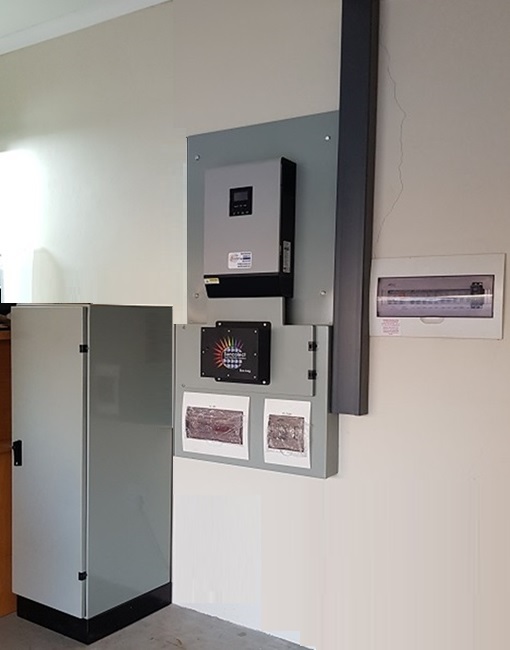
When considering solar power for your home, one of the most common questions is: How much power do I actually need? At Suncolect, we specialize in tailoring energy solutions that suit the unique needs of every household. Let’s break down what a typical residential solar setup looks like—and how to plan smartly for long-term energy independence.
Understanding Residential Energy Needs
For most single-phase residential homes, the general energy demand typically falls between 8kW and 12kW. This refers to the inverter size—the device that converts the electricity generated by your solar panels into usable power for your home.
To effectively support this, you’ll want a solar panel system of around 10kW, which can cover your daily energy consumption during peak sunlight hours.
The Challenge of Battery Storage
One of the more complex and costly aspects of a home solar system is battery storage. Batteries are essential for powering your home after sunset and during early morning hours, when solar panels aren’t generating electricity.
To ensure reliable energy during these off-peak solar times—typically from 4:00 PM to 8:30 AM—you’ll need sufficient battery storage. At a minimum, we recommend having battery capacity that’s at least twice the size of your inverter. For example, an 8kW inverter should be paired with 16kWh of battery storage to start with.
Planning for the Future
nvesting in a well-sized battery system not only provides peace of mind but also reduces your reliance on the national grid or diesel generators. With rising electricity costs and unreliable grid power, solar with battery backup is the future of residential energy.
Want to know what system would suit your home best? Contact Suncolect today for a tailored solar assessment and take your first step toward energy independence.