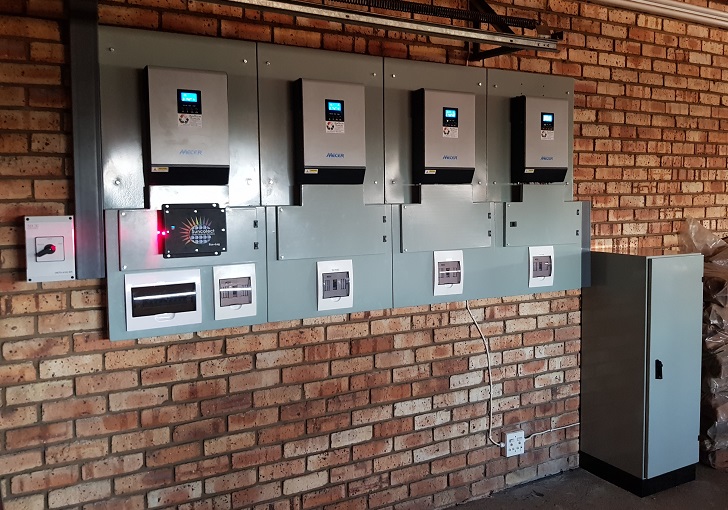
When it comes to residential solar installations, 3-phase systems require a bit more attention than their single-phase counterparts. While the principles are similar, the increased demand and complexity of 3-phase supply—especially in homes with larger appliances—means proper sizing is essential for both performance and protection.
Why 3-Phase Needs Proper Sizing
A common issue in residential 3-phase setups is underestimating surge requirements. Everyday equipment like lawnmowers can create a sudden power surge that risks tripping your inverter if it’s undersized. For this reason, we recommend starting with a minimum inverter capacity of 8kW per phase.
A typical 3-phase residential installation should be sized between 8kW to 12kW per phase, supported by 10kW to 30kW of solar panels, depending on household energy demands.
Battery Storage Considerations
As with all solar systems, the real challenge lies in battery storage. Battery costs and the energy required during peak usage—particularly in the early mornings and late afternoons—make it essential to plan carefully.
For optimal performance, we advise battery provisioning to cover the hours from 16:00 to 08:30, with storage capacity equal to at least two-thirds of your inverter capacity in kWh. For example, a 16kW inverter system should start with no less than 32kWh of battery storage.
Why It Matters
Choosing the right solar configuration for your 3-phase home isn’t just about savings—it’s about stability, safety, and maximizing the return on your investment. At Suncolect, we tailor every system to the site’s exact requirements, ensuring our customers experience true energy independence with complete peace of mind.